I’ve been in Lisbon for fifteen days to visit relatives. It was difficult to deal with the dry cold coming from Central Siberia, and incredibly, surrounded by the Atlantic Ocean and the majestic River Tagus, I felt no signs of moisture. So I seized the opportunity to remember some sights and enjoy one of the best cuisines in the world, but also to explore into that which was the capital of the western world for about one hundred years.
Taking the subway, I arrive to Martim Moniz, a square where many foreigners, especially Muslims are. The square owes its name to Martim Moniz, a soldier who died trapped in the city gates, allowing the entry of Christians in the Muslim bastion in 1147. On both sides of the square, underground shopping centers full of Chinese stores and Indian markets. On the path to Rossio Square there’s the Saint Domingos Square, infamous for the 1506 pogrom, where today many Africans and Eastern Europeans are. Without effort, as I contemplate the old city and the magnetic Tagus River, comes to mind the music of Driss El Maloumi, sixteenth-century vocal and vihuela polyphony, the medieval Christian and Sephardic dances, but also the Fado. No wonder that Lisbon was called until around 1500, as the city of three cultures: Christian, Moorish and Sephardic (Iberian Jewish).
From 1496 to 1506, while Portugal was approaching its apogee and the status of unchallenged Western power, at the same time plants the seed of its downfall. In 1492, the kingdom of Granada falls and the Spanish Inquisition inaugurates its reign of terror against freedom, minds and beliefs. Thus, 93,000 additional Jews, and also Mozarabic and Moors are expelled and settle in Portugal, increasing their communities. However, in 1496 the new Portuguese king Dom Manuel I married Isabella I of Castile and is pressed by the Spanish Catholic kings also to expel the Jews from Portuguese territory. Dom Manuel did not want to do that, but he is hostage to diplomacy and the growing power of the Inquisition. The lower-class Christians are target of increasingly fanatical and violent rhetoric of the Catholic Church since the thirteenth century. The clergy also made multiple complaints to the Pope in Rome on Royal "tolerance" to other faiths. Thus, in 1497, Dom Manuel gives the possibility for Jews to convert to Catholicism, trying to keep them in the most vital sectors of Portuguese society. Some do it, thence being called "New Christians", others maintain their faith in secret and would survive the diabolical persecution of the Inquisition, which is introduced in Portugal in 1536. But the most part, like most of the Moors, who still retained their identity before the Christian Reconquista. Their emigration permits consisted of payment of ransom to the Crown, abandonment of properties or sale at ridiculous prices, taking just a little hand luggage.
This historical event culminates in April 1506 when a small crowd of 500 people instigated by three Dominican friars (who are later executed by the king) increased by Dutch sailors coming from the docks, chased, attacked and killed 4000 Jews during three days, until they began to understand that even Christians and the squire of the King had been assassinated in the frenzy.
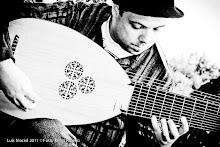
In this wave of hatred and intolerance almost all of the great minds Portuguese in the sciences, letters, economics and finance and other areas disappear. Street music (which later is transformed into fado) disappears with the persecuted Moors and Mozarabic, only surviving in the neighborhoods of labyrinthine Moorish quarter and Alfama. The Lute is banned for being “dangerously muslim”.
As a result, the full range of merchants and families from all the countries of Europe, the Ottoman Empire and the Muslim world leave the city, turning out the light that illuminated it for 100 years. The City has never been the same. Often without knowing it, fado music today sings about the loss of the society that forged a trade and colonial empire, one of the most remarkable cultural identities in the world and that "discovered new worlds" before falling into the long economic, scientific, and moral downfall that still today makes us feel a sense of emptiness or sadness that many attribute to the colonial empire, but that I humbly attribute to our own historical awareness and the voice of our blood.
I prepare my musical future diving in these three cultures that make up most of the Portuguese DNA doing my part to a cultural revival of the golden times of the City. In the week when the Portuguese prime minister was compared by some commentators to Goebbels, I hope that Lisbon re-ignite its light and always be ... City of Tolerance.

(Português)
Estive quinze dias em Lisboa para visitar familiares. Foi difícil lidar com o frio seco vindo da Sibéria Central, e incrivelmente, cercado pelo Oceano Atlântico e pelo majestoso Rio Tejo, não senti sinais de humidade. Aproveitei para recordar algumas paisagens e saborear uma das melhores gastronomias do mundo, mas também para explorar aquela que foi a capital do mundo ocidental durante cerca de cem anos.
Tomando o metro, chego ao Martim Moniz, uma praça onde muitos estrangeiros, sobretudo muçulmanos se encontram. A praça deve o seu nome a Martim Moniz, um soldado que morreu entalado nos portões da cidade, possibilitando a entrada dos cristãos no bastião muçulmano em 1147. Dos lados, centros comerciais subterrâneos repletos de lojas chinesas e mercados indianos. A caminho da Praça do Rossio encontra-se o largo de São Domingos, tristemente famoso pelo Pogrom de 1506, onde hoje muitos africanos e europeus de leste se encontram. Sem esforço, enquanto contemplo a velha cidade e o magnético Rio Tejo, vem-me à cabeça a música de Driss El Maloumi, a polifonia quinhentista vocal e de vihuela, o medieval cristão e as danças sefarditas, mas também o Fado. Não era à toa que Lisboa era chamada até por volta de 1500, como a cidade das três culturas: cristã, mourisca e sefardita (judaica ibérica).
De 1496 a 1506, ao mesmo tempo que Portugal se aproximava do seu apogeu e estatuto de potência ocidental incontestada, planta simultaneamente a semente da sua queda. Em 1492, cai o Reino de Granada e a Inquisição Espanhola inaugura o seu reino de terror contra liberdades, mentes e credos. Desse modo, 93 mil judeus adicionais, e também moçárabes e mouros são expulsos e estabelecem-se em Portugal, vindo a aumentar as respectivas comunidades. No entanto, em 1496 o novo rei português D. Manuel I casa-se com Isabel I de Castela e é pressionado pelos reis católicos para expulsar também os judeus de território português. D. Manuel não quis fazer isso, mas é refém da diplomacia e do crescente poder da Inquisição. Os cristãos de classe mais baixa são alvo da retórica crescentemente fanática e violenta da Igreja Católica desde o século XIII. O próprio clero faz múltiplas queixas ao Papa em Roma sobre a “tolerância” real às outras fés. Assim, em 1497, D. Manuel dá a possibilidade aos judeus de se convertem ao catolicismo, tentando mantê-los nos sectores mais vitais da sociedade portuguesa. Alguns fazem-no, sendo denominados de “cristãos-novos”, outros mantêm a sua fé em segredo e vão sobrevivendo à diabólica perseguição da Inquisição, que é introduzida em Portugal em 1536. Mas a maioria parte, assim como a maioria dos mouros que ainda mantinham a sua identidade anterior à Reconquista. As suas autorizações de emigração consistiam no pagamento de resgate à Coroa, abandono de propriedades ou venda a preços irrisórios, levando apenas pouca bagagem de mão.
Este momento histórico culmina em Abril de 1506, quando uma pequena multidão de 500 populares instigada por três frades dominicanos (que mais tarde D. Manuel manda executar) aumentada por marinheiros holandeses vindos do cais, perseguem, atacam e assassinam 4000 judeus, durante três dias, até começarem a entender que até cristãos e o próprio escudeiro do Rei já tinham sido assassinados no frenesim.
Nessa onda de ódio e intolerância desaparece quase a totalidade das grandes mentes portuguesas nas ciências, nas letras, na economia e finança entre outras áreas. A música de rua (que mais tarde dá origem ao fado) desaparece com os mouros e moçárabes perseguidos, só sobrevivendo nos bairros labirínticos da Mouraria e Alfama. O alaúde é banido por ser “perigosamente muçulmano”.
Na sequência, toda a variedade de mercadores e familiares de todos os países da europa, império otomano e mundo muçulmano deixam a cidade, apagando a luz que a iluminara durante 100 anos. Nunca mais foi a mesma. Muitas vezes sem saber, hoje a música fado canta a perda dessa sociedade que forjou um império comercial e colonial, uma das identidades culturais mais marcantes do mundo e que “descobriu novos mundos” antes de cair no longo declínio econômico, científico, moral que ainda hoje nos faz sentir o sentimento de vazio ou de tristeza a que muitos atribuem ao império colonial, mas que eu humildemente atribuo à nossa própria consciência histórica e da voz do nosso sangue.
Preparo o meu futuro musical mergulhando nestas três culturas que compõem a maioria do ADN português fazendo a minha parte para um resgate cultural dos tempos áureos da história da Cidade. Na semana em que o primeiro-ministro português foi comparado por alguns comentadores a Goebbels, faço votos para que Lisboa volte a acender a sua luz e seja sempre...cidade de Tolerância.