Showing posts with label England. Show all posts

Monday, April 12, 2010

Watkin's Ale | (Cerveja de Watkin)

England ca. 1600, Anonymous
This ribald ballad was an Elizabethan favorite, although conservative elements in English society assailed at least one publisher for printing such "odious and lascivious" material. This catchy, swinging tune with its ascending midsection had staying power; most often sung in taverns and on the stage to the accompaniment of whatever instruments were at hand, the melody found its way into the Fitzwilliam Virginal Book, and from there into William Walton's score for the film Henry V; cast in a slow, funereal E minor, the drinking song became the theme of Walton's "Death of Falstaff" passacaglia. The bawdy lyrics go on at some length. Essentially, they tell of a young woman concerned that she might die a virgin; a randy young man overhears her complaint and offers to give her something he euphemistically calls Watkin's ale, "sweeter farr then suger fine, and pleasanter than muskadine." He takes her aside and gives her a full helping. Afterwards, they chat awhile, but the girl grows tired of talk and asks for more Watkin's ale. Naturally, the lad is happy to slake her thirst again. Nine months later, though, the brew has proven not to agree with her:
This mayden then fell very sicke,
Her maydenhead began to kicke,
Her colour waxed wan and pale
From taking much of Watkins ale.
Evidently, Elizabethans appreciated the song's salacious double entendres more than its safe-sex message. ~ James Reel, All Music Guide


(Português)
Inglaterra ca. 1600, Anónimo
Esta irreverente balada era uma das favoritas da Era Isabelina, embora os elementos mais conservadores da sociedade Inglesa criticassem, pelo menos, uma editora pela impressão de tal "material odioso e lascivo". Esta cativante melodia, balanceada com a sua ascendente parte do meio tinha o poder de ficar no ouvido; na maioria das vezes cantada nas tabernas e no palco, acompanhada pelos instrumentos que estivessem disponíveis no momento. A melodia acabou por aparecer no “Fitzwilliam Virginal Book” e mais tarde, na trilha sonora de William Walton para o filme “Henrique V”; fundida num lento, funerário Mi Menor, a canção de beber tornou-se o tema da passacaglia da “Morte de Falstaff” de Walton.
A letra obscena continua durante algum tempo. Essencialmente, ela fala de uma jovem preocupada por poder morrer virgem; um jovem turbulento ouve a sua queixa e oferece-lhe algo a que ele chama eufemisticamente de cerveja de Watkin, “mais doce que açúcar fino, mais agradável que vinho”. Ele a leva para o lado e dá-lhe ajuda completa. Em seguida, eles conversam um pouco, mas a jovem cansa-se de falar e pede mais cerveja de Watkin. Naturalmente, o rapaz tem o prazer de saciar sua sede de novo. Nove meses depois, porém, a bebida provou não concordar com ela:
Esta donzela então caiu muito doente,
Sua virgindade começou a chutar,
Sua cor desfalecida e pálida
De tomar muita cerveja Watkins.
Evidentemente, os isabelinos apreciavam o lascivo duplo sentido mais do que a sua mensagem de sexo seguro. ~ James Reel, All Music Guide

Friday, March 26, 2010

Kemp's Jig

England ca. 1600, Anonymous
Will Kemp was a famous English actor from the Elizabethan era believed to have inspired his friend and business associate William Shakespeare to write several of his comedies. Kemp was known to be both a jester and quite an energetic dancer of jigs. In one great, widely reported stunt, he is said to have danced from London to Norwich in nine days. It was he who inspired this folk piece, often titled simply “Kemp's Jig”. There are no lyrics to this music, though one will undoubtedly find later song versions of the piece, just as there are numerous arrangements of the tune for various instrumental groups, including for small brass and other wind ensembles. The melody is lively and sunny, but also has a stately quality in its brisk, almost march-like manner. It is memorable and sounds like a mixture of Baroque- and Christmas-music styles in its happy, slightly starch-collared gaiety. Its chipper, rhythmic music would seem quite the perfect accompaniment for a scene depicting a clown merrily dancing his way along. Most folk music lovers will find the various instrumental versions of the piece worth their while.
Source: Robert Cummings, All Music Guide


(Português)
Inglaterra ca. 1600, anônimo
Will Kemp foi um famoso ator Inglês da época isabelina que se acredita ter inspirado seu amigo e sócio William Shakespeare a escrever várias de suas comédias. Kemp era conhecido por ser um tanto gracejador e dançarino bastante enérgico de jigas. Em uma grande façanha amplamente divulgada, diz-se que ele dançou de Londres até Norwich em nove dias. Foi ele que inspirou esta peça folclórica, muitas vezes chamada simplesmente de “Kemp's Jig”. Esta música não tem letra, embora se encontre sem dúvida versões posteriores da peça, assim como arranjos para vários grupos instrumentais, incluindo para metais e outros conjuntos com instrumentos de sopro. A melodia é alegre e ensolarada, mas também tem uma qualidade imponente na sua maneira viva, quase de marcha. É memorável e soa como uma mistura de estilo barroco e música de Natal no seu contentamento e alegria com um leve colarinho formal. A sua música rítmica e tagarela seria talvez o acompanhamento perfeito para uma cena representando um palhaço dançando alegremente ao longo do seu caminho. A maioria dos amantes de música folclórica verão que as várias versões instrumentais da pela valem a pena.
Fonte: Robert Cummings, All Music Guide

Thursday, March 25, 2010

English Renaissance Semester | Semestre da Renascença Inglesa

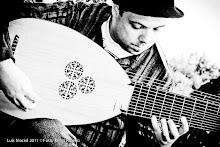
I call this Semester as Renaissance English Semester because I have three new songs in my lute repertoire, with origin in England and that became famous in their time. In the Early Band classes, me and another fellow student have 9 duos by John Johnson and Thomas Robinson between hands.
But the three basic solo lute songs of the semester are: "Kemp's Jig" - Anonymous, "Watkin's Ale" - Anonymous, and "Lady's Laiton Almain" - John Dowland.
Their stories deserve to be counted, and for those who enjoy history, embark with me on this journey through time in the next posts.

(Português)
Chamo a este semestre de Semestre da Renascença Inglesa porque tenho três novas músicas no meu repertório de alaúde, originárias de Inglaterra e que se tornaram famosas em seu tempo. Nas aulas de conjunto, eu e outro colega estudante temos 9 duos de John Johnson e Thomas Robinson entre mãos.
Mas as três músicas básicas de alaúde solo do semestre são: "Kemp’s Jig" – Anônimo, "Watkin’s Ale" – Anônimo, e "Lady Laiton’s Almain" – John Dowland.
As suas histórias merecem ser contadas, e para quem gosta de história, embarque comigo nessa viagem no tempo nos próximos posts.